
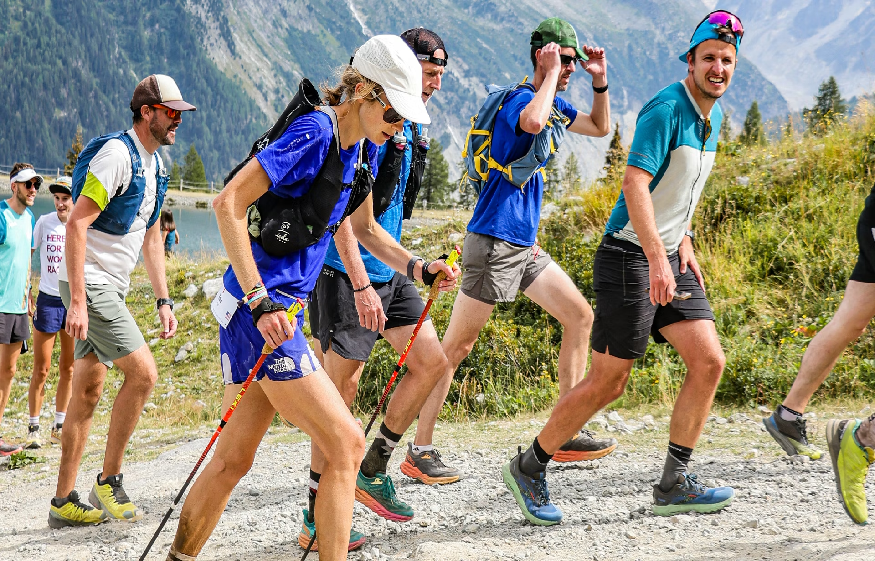

Trail running is an activity that involves running on natural surfaces, like winding bridleways, grassy meadows, rocky ridges and forest paths. As per Steven Rindner, while in road running, one sticks to tarmac and concrete, trail running immerses the runners in the great outdoors and allows them to enjoy a constantly changing landscape beneath their feet. Trail running terrain may range from technical mountain tracks to gentle parkland. This running style attracts runners who want to embrace the unpredictable and have an innate love for exploration.
Steven Rindner offers an introduction to getting started with trail running
As every trail is different, each run on a trail is an entirely unique experience. Some trails might be flat, dirt paths that gently wind through a park, while others may involve rolling routes that feature a variety of obstacles like rocks, roots, steep climbs and fast descents. To get started with trail running, one firstly should find the right trail. For one’s first few trail runs, it is better to stick to well-marked, beginner-friendly routes close to home. This can be nature reserves, local parks, managed woodland paths and more. Such trails have relatively gentler gradients and fewer technical obstacles. Hence, they are perfect for getting used to running on uneven surfaces. There are many towns and cities across the United States that have dedicated trail running routes.
As per Steven Rindner, in addition to selecting the right trail for the run, getting the appropriate supplies is also important. One must invest in good trail running shoes. These shoes are generally designed with gripping soles for traction on mud and loose stones, sturdy uppers to keep the feet secure and reinforced toes for protection. When it comes to clothing, it is better to stick to moisture-wicking, technical fabrics that keep one dry and comfortable. It would also be smart to layer up, in order to adapt to changing weather on the run. Adequate hydration on the run is also important. Hence, one must have a handheld bottle, waist belt, or hydration vest. Beyond this, it would be prudent to carry a mobile phone, some snacks, and a basic first aid kit on the run.
Following a few basic techniques is important to have safe and enjoyable runs on the trail. Mastering certain key skills would help the runners to move confidently and efficiently over diverse terrains. On a trail run, it is better to keep the stride short. Fast, light steps help maintain balance and swiftly react to the obstacles like roots and rocks. It is better to aim for a midfoot landing, while keeping the feet under the body in order to absorb impact and reduce the risk of slipping or rolling an ankle. Runners should additionally keep their gaze focused 10–15 feet ahead, scan for hazards and plan for their foot placement. Maintaining good posture with a straight back and relaxed shoulders would help the runner’s core stay engaged and keep their balance steady. Runners may use their arms for balance, swing them naturally and keep them slightly wider if the trail is especially technical.